


TL;DR: Google Ads vs DV360
Google Ads and Display & Video 360 (DV360) serve different roles in digital advertising. Google Ads focuses on running campaigns within Google owned & operated (O&O) environments such as Search and YouTube, while DV360 is a programmatic demand-side platform (DSP) that enables advertisers to buy media across multiple publishers, ad exchanges, and premium inventory.
- Google Ads is best suited for fast campaign activation, search demand capture, and performance-driven marketing within Google’s ecosystem.
- DV360 supports broader programmatic strategies, including premium publisher access, private marketplace (PMP) deals, advanced audience frameworks, and deeper integration with tools like Google Analytics 4 (GA4), Floodlight, and Campaign Manager 360.
For many advertisers, the most effective approach is using both platforms together: Google Ads captures high-intent demand, while DV360 expands reach across programmatic media and premium inventory environments.
Quick answer: Google Ads is designed for campaigns within Google’s ecosystem, while DV360 is a programmatic DSP used for buying advertising across multiple publishers and exchanges.
If you are comparing Google Ads and Display & Video 360 (DV360), the most important thing to know is that they are not interchangeable.
Google Ads is built for accessible campaign activation across Google environments like Search and YouTube. DV360, on the other hand, is Google Marketing Platform’s demand‑side platform (DSP), designed for programmatic media buying, broader inventory access, richer audience strategies, and integration with tools such as Floodlight, Google Analytics 4 (GA4), and Campaign Manager 360 (CM360).
The real question in 2026 is not which platform is “better.” It is what kind of media strategy you are trying to run.
For many advertisers, Google Ads is the right fit because it is fast to launch, easier to manage, and effective for performance‑driven campaigns. For others — particularly brands running more advanced media strategies — DV360 opens up a wider programmatic ecosystem with more control over inventory, audiences, and measurement.
Before diving deeper, here is the simplest way to understand the difference.
| Feature | Google Ads | Display & Video 360 |
|---|---|---|
| Platform type | Advertising platform | Programmatic DSP |
| Inventory access | Google properties (Search, YouTube, Gmail, Display Network) | 70+ exchanges, premium publishers, private marketplaces |
| Audience strategy | Standard targeting options | Advanced audience layering and data integration |
This comparison highlights a key point: Google Ads focuses on efficient activation, while DV360 is built for broader programmatic strategy and media orchestration.
What is Google Ads?
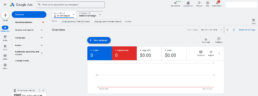
Google Ads is Google’s primary advertising platform for running campaigns across Google‑owned & operated (O&O) properties and partner networks, such as Search, YouTube, Gmail, Shopping, and the Google Display Network.
In practice, Google Ads is often the default platform for advertisers who want to launch campaigns quickly and optimize toward clear business outcomes.
It works especially well when the strategy focuses on:
- Capturing existing demand through Search
- Running YouTube campaigns
- Supporting performance marketing goals
- Moving quickly from setup to activation
Because the platform handles many technical complexities internally, teams can focus more on campaign performance rather than programmatic infrastructure.
What is Display & Video 360?
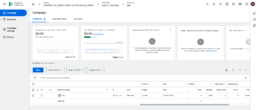
Display & Video 360 (DV360) is Google Marketing Platform’s demand‑side platform (DSP) for programmatic media buying.
A DSP is technology that automates the buying of digital advertising across multiple publishers and exchanges, allowing advertisers to reach the right audiences across a wide range of environments.
DV360 enables marketers to:
- Plan and manage campaigns across multiple channels from a single platform
- Organize and activate audience data for more precise targeting
- Access inventory across multiple ad exchanges and premium publishers
- Deliver advanced creative formats through integrations with Studio and CM360
- Optimize campaigns and measure performance through a broader measurement ecosystem, including advanced outcome-based signals and third-party AdTech integrations
DV360 becomes particularly valuable when advertisers need more than simple campaign activation. It is designed for strategies that require broader inventory access, more sophisticated audience frameworks, and integration between media buying and measurement.
Key Differences Between Google Ads and DV360
1.0. Inventory reach
One of the most visible differences between the platforms is the inventory each one can access.
Google Ads primarily focuses on Google‑owned inventories such as:
- Search
- YouTube
- Gmail
- Google Display Network
This setup works well for many advertisers because it simplifies campaign activation, with a level of inventory sufficient to their needs.
DV360, however, operates across a much broader programmatic ecosystem. The platform connects to more than 70 ad exchanges and supports formats such as:
- Display
- Video
- Audio
- Connected TV
This allows advertisers to buy inventory across a wide range of publishers rather than relying mainly on Google’s environments.
For marketers who care about premium placements, publisher diversity, and cross‑channel programmatic reach, this wider ecosystem becomes an important advantage.
2.0. Private marketplace (PMP) buying
Another major difference appears when advertisers want access to exclusive inventory.
During competitive periods — such as major retail seasons — open auction environments can become saturated. Many advertisers are bidding for the same impressions, which drives up costs and reduces visibility.
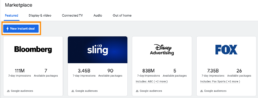
DV360 enables advertisers to access private marketplace (PMP) deals, where publishers offer inventory directly to buyers.
This can provide several advantages:
- Access to premium publisher inventory from well-known publishers such as The Guardian, Vogue, or major streaming environments like Netflix and Disney+,
- Prioritized access to inventory
- Use of publisher first‑party audience signals
- Stronger brand safety through curated environments
Because Google Ads focuses primarily on Google inventory and open exchange environments, PMP buying is typically handled through programmatic platforms like DV360.
For brands that are more strategic over where their ads should appear, PMP deals can be an important part of the media strategy.
3.0. Audience strategy
Google Ads offers a wide range of targeting capabilities, including demographic segments, affinity audiences, in‑market segments, and customer data. For many advertisers, these options are sufficient.
DV360, however, is designed for a more layered audience framework.
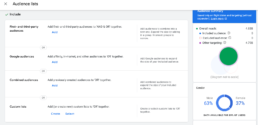
Advertisers can combine multiple data sources such as:
- First‑party audience data, such as those from a CRM
- Google audience segments
- Third‑party data providers
- Floodlight conversion activities
- GA4 audiences
Because DV360 operates within the broader Google Marketing Platform ecosystem, marketers can build more complex audience strategies using their own behavioral data.
This allows teams to move beyond the question of simply “who can we target?” toward more strategic questions such as:
- How do we structure audience frameworks across campaigns?
- How do we suppress overlapping segments?
- How can first‑party data expand programmatic reach?
As a brand’s audience strategy becomes more sophisticated, the flexibility of DV360 becomes more valuable.
4.0. Bidding signals and optimization
Both Google Ads and DV360 use automated bidding systems.
Google Ads supports powerful Smart Bidding models such as:
- Target CPA
- Target ROAS
- Maximize conversions
DV360 offers automated bidding as well, but also provides custom bidding strategies that allow advertisers to optimize using advertiser-defined signals.
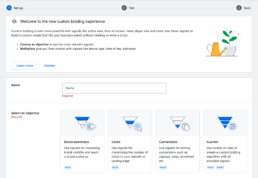
When integrated with GA4 and Floodlight measurement, DV360 bidding models can incorporate signals such as:
- Weighted conversions
- Customer value
- Transaction value
- Custom business KPIs
This flexibility becomes useful for advertisers who want their bidding logic to reflect more complex business outcomes.
5.0. Consolidation of Measurement & Ad Tech architecture for mature companies
Another important difference appears in how each platform connects to the broader advertising technology stack.
Google Ads is able to provide reporting that includes native platform data and integrated GA4 data such as key GA4 metrics (e.g. sessions, bounce rate).
DV360, however, is designed to operate as part of the Google Marketing Platform ecosystem, where measurement signals can be shared across other enterprise solutions such as:
Floodlight, the primary tagging system used in GMP, enables cross‑campaign conversion tracking and helps reduce duplication when multiple channels are involved.
When media buying, measurement, and audience data are connected within a shared architecture, marketers can develop more consistent performance insights across campaigns.
This is why DV360 often becomes more relevant as organizations develop more digitally mature measurement frameworks.
Final takeaway
The best way to compare Google Ads and DV360 in 2026 is not to ask which platform is better in general.
A better question is: what level of media control, audience sophistication, inventory quality, and measurement depth does your strategy require?
If your goal is fast activation and strong performance marketing within Google environments, Google Ads is often the right fit.
If your strategy requires broader programmatic access, premium inventory buying, deeper audience frameworks, and forward-looking AdTech integration, DV360 is usually the better platform.
Want to learn more about premium programmatic buying?
If you want to explore how PMP strategies work in practice, check out our DV360 Private Marketplace Playbook which explains:
- Why open auction buying becomes limiting during peak periods
- How PMP deals unlock premium placements
- What marketers should prioritize when building high‑value programmatic campaigns
FAQ
What is the main difference between Google Ads and Display & Video 360?
The main difference between Google Ads and Display & Video 360 (DV360) is the type of advertising platform they are designed to support.
Google Ads is built for running campaigns primarily within Google environments such as Search, YouTube, Shopping, and the Google Display Network. It focuses on efficient campaign activation and performance-driven advertising.
DV360, on the other hand, is a programmatic demand-side platform (DSP) that allows advertisers to buy media across a broader ecosystem of publishers and ad exchanges. It supports advanced capabilities such as private marketplace deals, premium publisher inventory access, more complex audience strategies, and deeper integration with measurement tools like Floodlight and Campaign Manager 360.
In simple terms, Google Ads focuses on performance marketing within Google’s ecosystem, while DV360 enables broader programmatic media buying and more advanced advertising strategies.
When should you use Google Ads?
Google Ads is usually the better choice when campaigns are relatively straightforward and speed of activation matters.
It works best when:
- Google’s O&O inventory is sufficient
- Your strategy focuses on capturing existing search demand
- YouTube is the primary video channel
- Campaign goals are performance-driven
- Teams need a faster and simpler campaign launch
In these situations, the simplicity and accessibility of Google Ads becomes a strength.
When should you use Display & Video 360 (DV360)?
DV360 becomes more useful when media strategies become more complex and require broader programmatic capabilities.
Advertisers often choose DV360 when they need:
- Access to premium publisher inventory
- Private marketplace (PMP) deals
- Advanced audience frameworks using first-party data
- Stronger integration between media buying and measurement tools
As brands invest more heavily in programmatic media and first-party data strategies, DV360 provides the infrastructure needed to support those approaches.
Can advertisers use both Google Ads and DV360?
Yes. For many advertisers, Google Ads and DV360 are complementary platforms rather than alternatives.
For example:
- Google Ads can capture high-intent demand through Search and YouTube.
- DV360 can expand reach through programmatic display, video, and premium publisher environments.
Using both platforms together allows advertisers to combine performance marketing with broader programmatic media strategies.
Is DV360 better than Google Ads?
DV360 is not necessarily better than Google Ads — the two platforms serve different purposes.
Google Ads is often the better option for advertisers focused on direct response campaigns, search demand capture, and fast campaign activation within Google’s ecosystem.
DV360 becomes more valuable when advertisers need broader programmatic reach, premium publisher inventory, private marketplace deals, advanced audience strategies, and deeper measurement integration across the Google Marketing Platform.
For many organizations, the most effective approach is to use both platforms together, with Google Ads supporting performance marketing and DV360 enabling broader programmatic media buying.